Ultra-efficient perovskite-silicon tandem solar cells
Dual-junction perovskite–silicon tandem solar cells have surpassed the theoretical efficiency limits of single-junction photovoltaic devices, establishing themselves as one of the most promising platforms for next-generation solar energy conversion. Despite this progress, key scientific and technological challenges remain in achieving simultaneously high efficiency, long-term stability, and scalable device architectures.
Our research focuses on addressing these challenges through a comprehensive investigation of tandem solar cell concepts, spanning two-terminal (2T) and four-terminal (4T) configurations, as well as emerging approaches such as beyond dual-junction tandems (e.g., triple junctions) and bifacial tandem architectures. Across all concepts, our central objective is to maximize real-world energy yield while ensuring operational stability and reliability.
A major thrust of our work lies in the materials science of wide-bandgap perovskites, where we investigate composition inhomogeneities, strain- and stress-induced effects, and their impact on voltage losses, phase stability, and device degradation. By correlating microscopic material properties with optoelectronic device performance, we establish design principles for robust and efficient tandem absorbers and interfaces.
Beyond cell-level performance, our group places strong emphasis on stability assessment and reliability testing. We implement and critically evaluate advanced aging protocols relevant to tandem devices, including IEC- and ISOS-defined tests such as damp heat, thermal cycling, maximum power point tracking (MPPT) at elevated temperatures, and potential-induced degradation (PID). In parallel, we investigate module packaging and encapsulation strategies, recognizing their decisive role in enabling long-term operation under realistic environmental conditions.
Our research is conducted at the interface of fundamental understanding and technological relevance, with the aim of accelerating the transition of perovskite–silicon tandems from laboratory-scale demonstrations to reliable photovoltaic modules. To this end, we collaborate closely with leading universities, research institutes, international consortia, and industrial partners worldwide, contributing to the scientific foundations and practical solutions required for the industrialization of perovskite–silicon tandem solar cells.
Related Publications
Joule 10.1 (2026)
Nature Materials (2025)
ACS Applied Energy Materials 2025, 8, 18, 13722–13731
Science 2025, Vol. 0 Issue 0 Pages eadx1745
Energy Fuels 2025, 39, 22, 10134–10149
Small Methods 2025, 2401003.
ACS Energy Letters 2025, 10, 1, 238–245.
ACS Sustainable Chemistry & Engineering 2024, 12, 48, 17523–17530.
Science 385.6708 (2024): adp1621
ACS Energy Letters 9 (2024): 3501-3504
Joule 9.1 (2024).
Involved Researchers

Jian Huang
Butenandtstr. 5 - 13
Room E3.005
81377 München
Phone +49 89 2180-77608
Email: jian.huang@cup.uni-muenchen.de
Ultra-efficient perovskite/silicon tandem solar cells

Pratik Kalvikatte
Butenandtstr. 5 - 13
Room E3.027
81377 München
Phone +49 89 2180-77617
Email: pratik.kalvikatte@cup.uni-muenchen.de
Damage-free sputtering techniques for Ultra-efficient perovskite/silicon tandem solar cells

Cem Yilmaz
Butenandtstr. 5 - 13
Room E3.005
81377 München
Phone +49 89 2180-77608
Email: cem.yilmaz@cup.uni-muenchen.de
Thermomechanical analysis of multijunction solar cells
Related News
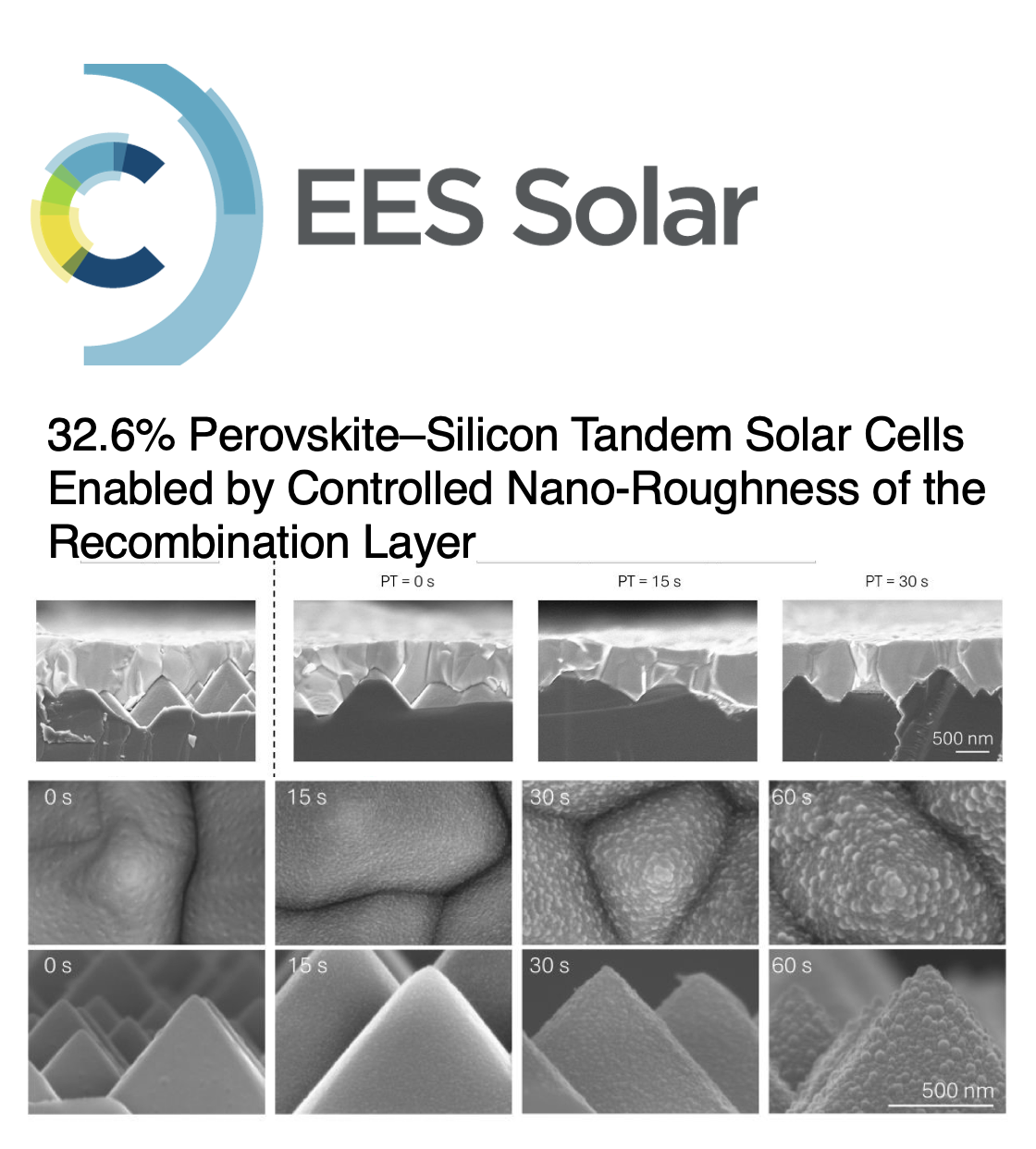
Our New Study in EES Solar Reveals Impact of Surface Nano-Roughness in Recombination Layers of Perovskite-Silicon Tandem Solar Cells
Read more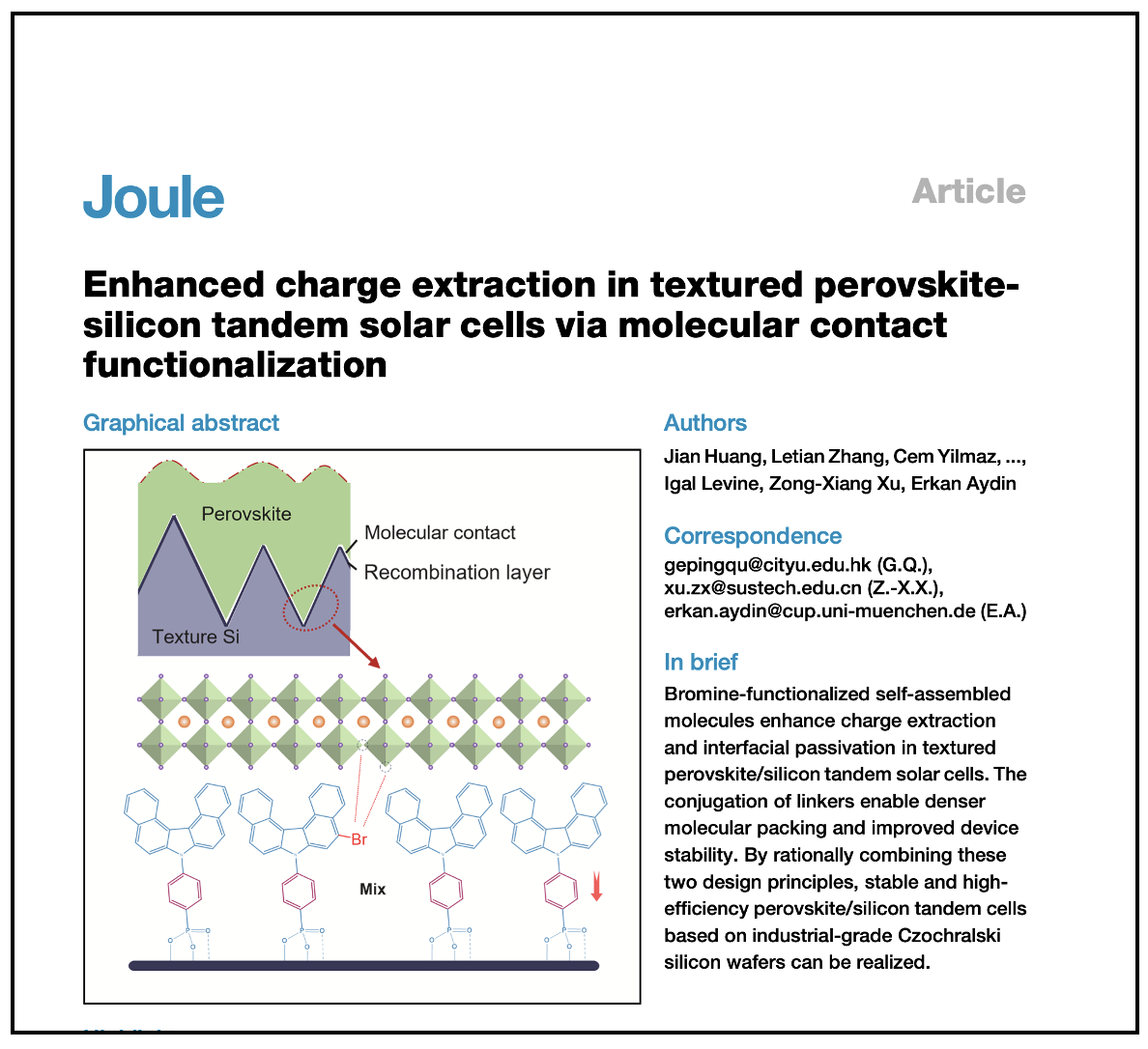
New Publicaiton in Joule: Halogen-Enhanced Conjugated SAMs Enable Improved Charge Extraction in Textured Tandem Architectures
Read more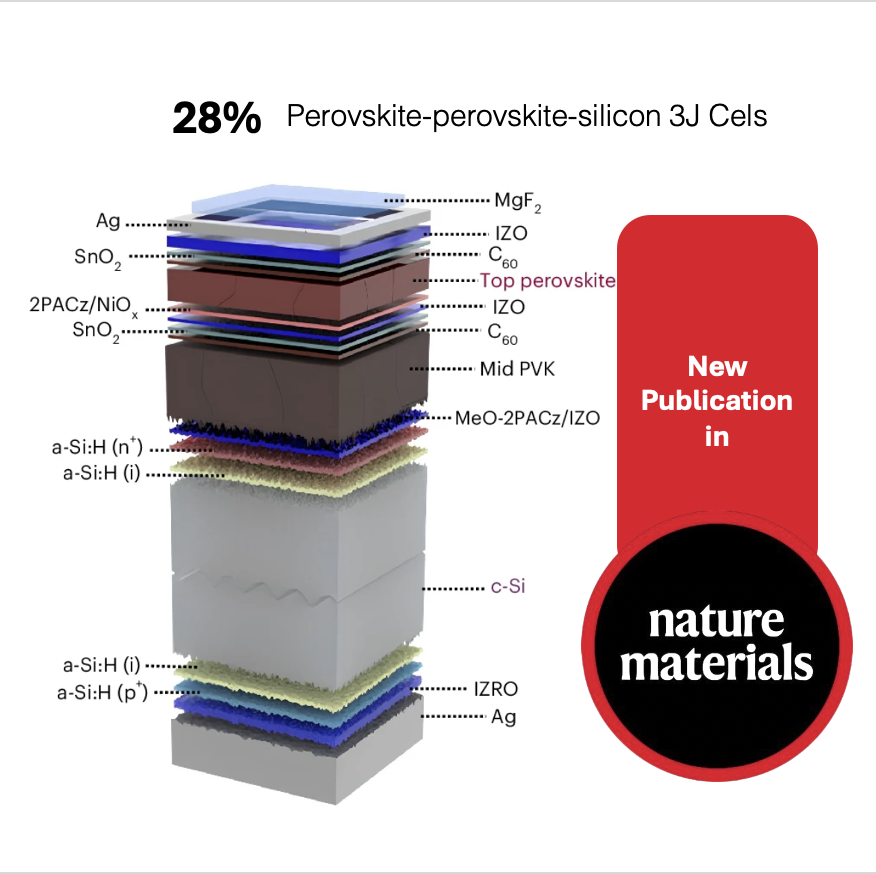
Recent work reports 28%-efficient Perovskite-peroskite-silicon based Triple-Junction Solar Cells in Nature Materials
Read more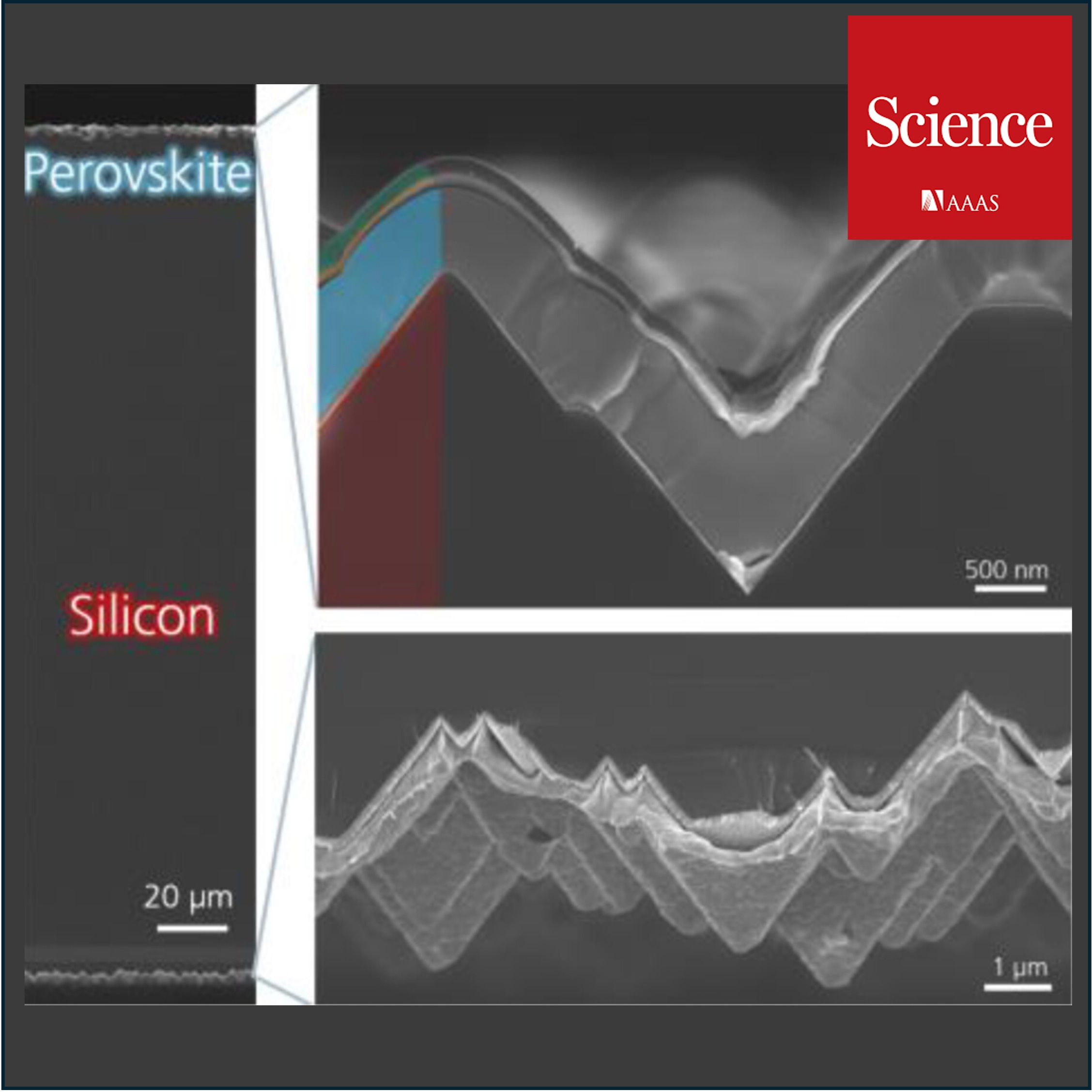
A new collaborative research on perovskite–silicon tandems came out in Science! Record 33.1% efficiency with an open-circuit voltage of 2.01 V
Read more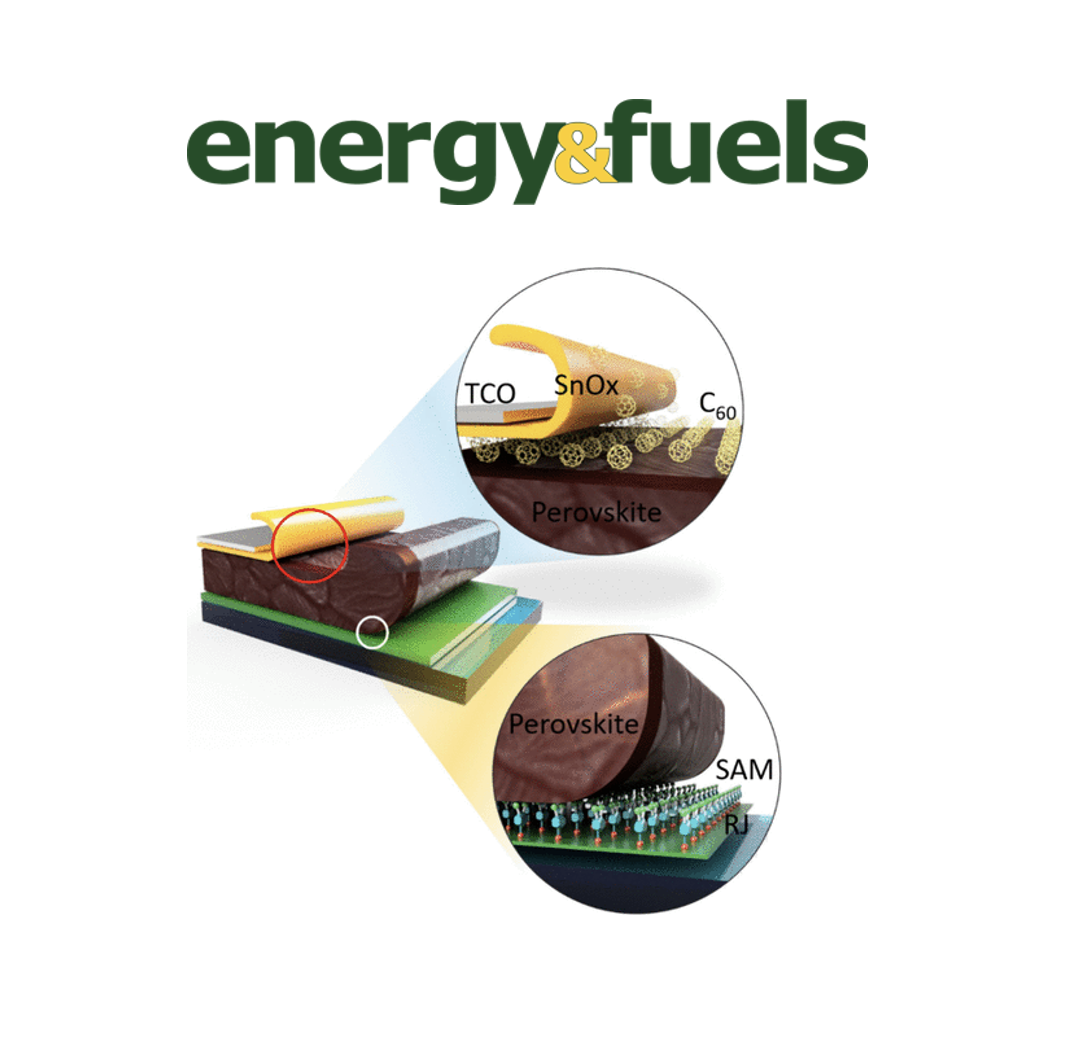
A review article in Energy&Fuels focusing on Interface Engineering for Perovskite-Silicon Tandem Solar Cells
Read more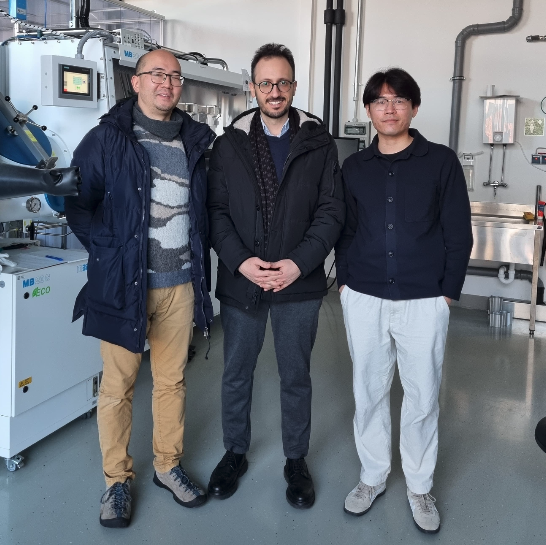
Aydin Group expands collaborations with Germany's leading PV institutes: Dr. Aydin visits Forschungszentrum Jülich
Read more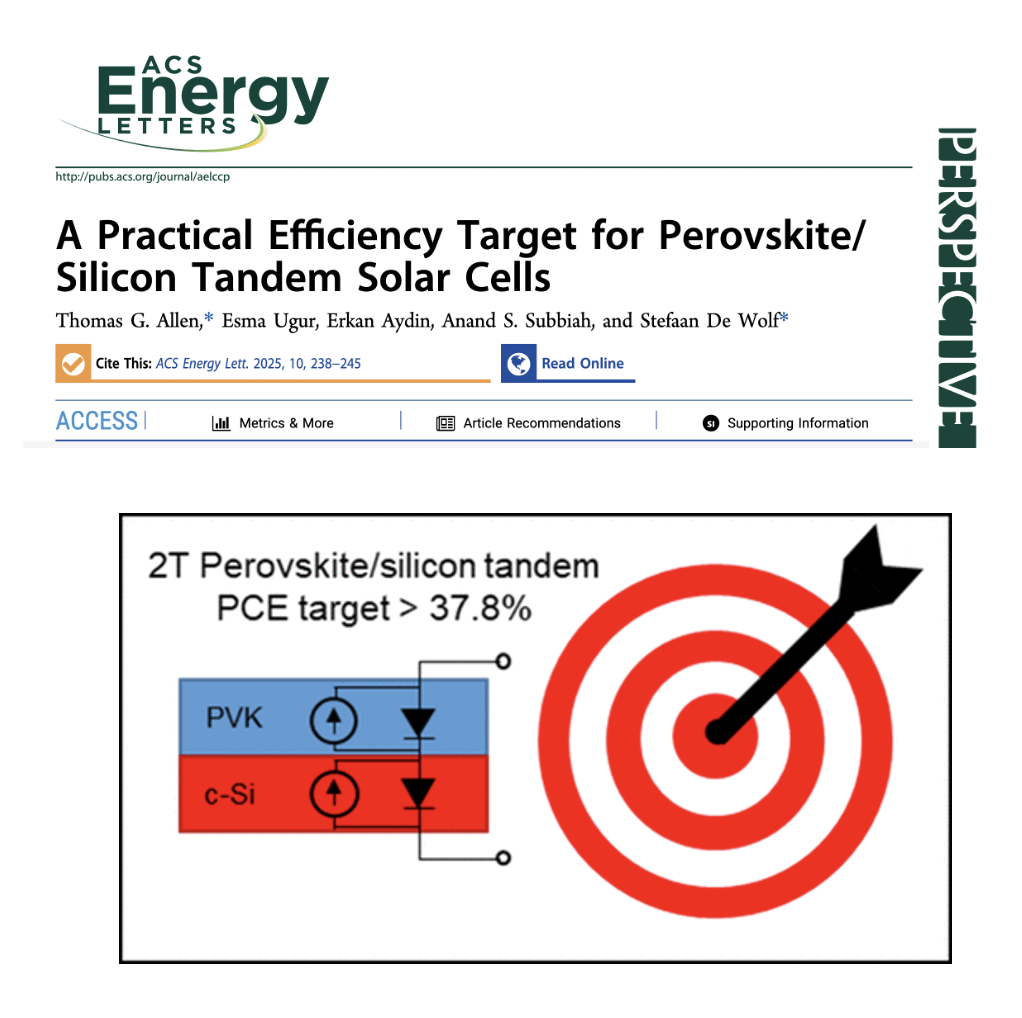
New perspective article defining a practical goal for perovskite-silicon tandem solar cells: 37.8%
Read more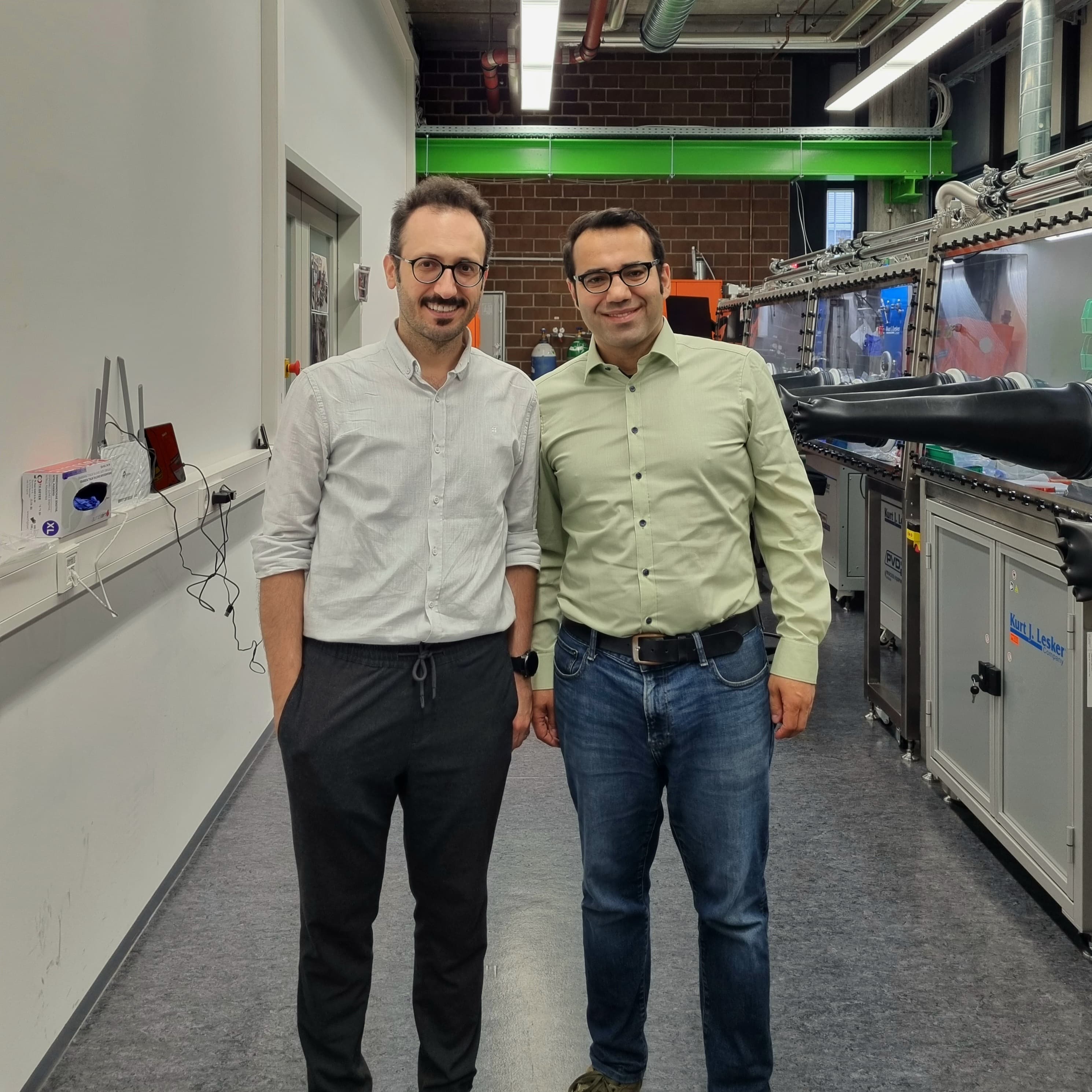
Dr. Aydin visited Institut für Photovoltaik (IPV) Stuttgart and delivered talk on perovskite-silicon tandem solar cells
Read more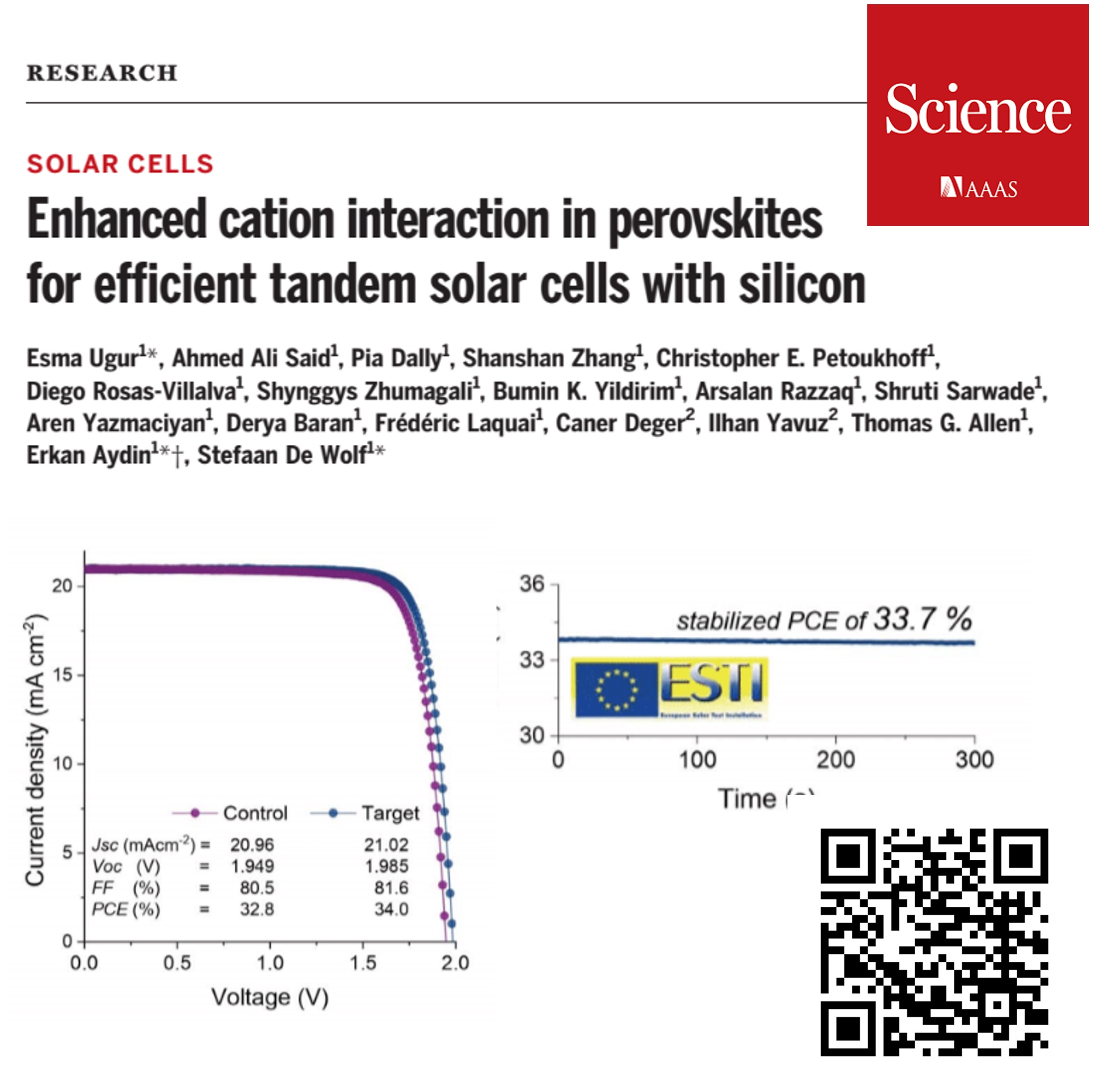
Our new article reporting record 33.7% efficiency for perovskite-silicon tandem solar cells came out in Science!
Read more
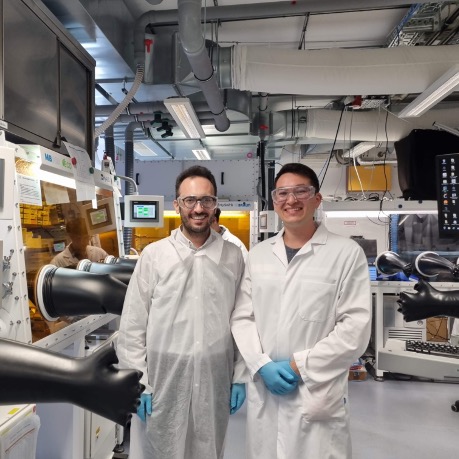
Dr. Aydin visited HZB and gave a talk on the advancements in perovskite/silicon tandem solar cells
Read more